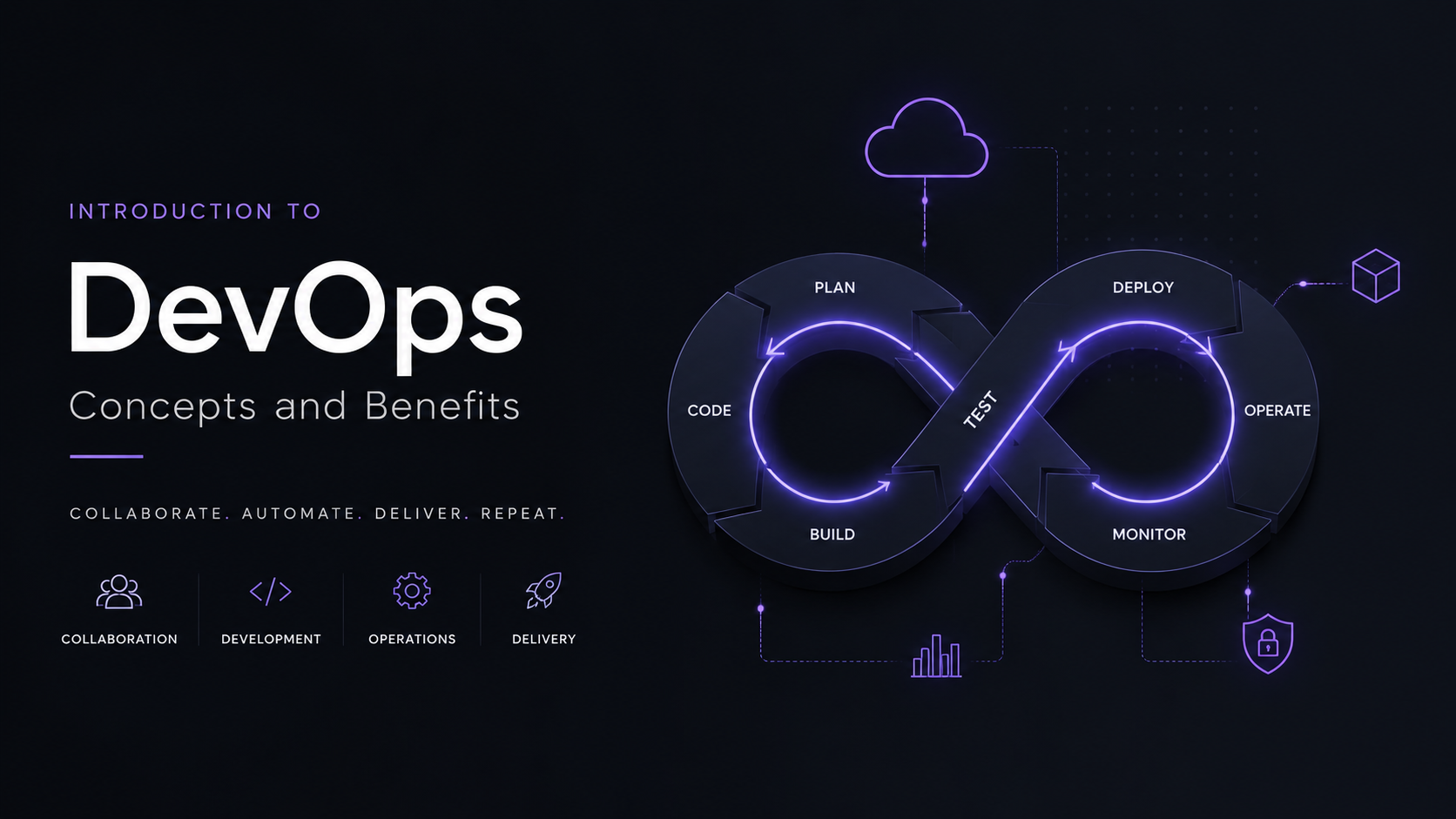
In today's digital era, companies need to develop and deliver software in an agile and efficient manner. The DevOps methodology emerges as a solution to integrate development and operations teams, improving collaboration and optimizing the software life cycle. Through practices such as continuous integration and automation, DevOps enables faster and higher-quality delivery. In this article, we will explore what DevOps is, its evolution, fundamental principles, key tools, and the benefits and challenges of its implementation.
What is DevOps?
DevOps is a methodology that merges software development (Development) and IT operations (Operations) with the goal of improving collaboration and communication between these teams. This approach optimizes the software development life cycle, from conception to delivery and maintenance, through practices of continuous integration and automation. By breaking down barriers between development and operations, DevOps fosters a culture of joint work and high productivity, reducing delivery times and improving the final quality of the software.
History and Evolution of DevOps
The term "DevOps" emerged in the 2000s when development and operations teams began facing challenges with traditional methodologies like Waterfall. In 2008, Patrick Debois, one of the pioneers of the DevOps movement, organized the first "DevOpsDays" conference, marking the formal beginning of this culture. The methodology quickly gained popularity due to the demand for faster development cycles and the need for close collaboration at all stages of software development. As companies migrated to the cloud and adopted agile practices, DevOps became a standard for improving IT efficiency.

Fundamental Principles of DevOps
DevOps is based on several key principles that facilitate the continuous and rapid delivery of software. These principles help improve collaboration, automate processes, and minimize human errors. The three main pillars include:
Continuous Integration (CI)
Continuous integration is a practice that allows developers to integrate their code into a central repository multiple times a day. Each integration is automatically verified through tests, helping to detect errors in the early stages of development. Tools like Jenkins or GitLab CI facilitate continuous integration, reducing feedback times and allowing errors to be quickly resolved.
Continuous Delivery (CD)
Continuous delivery focuses on ensuring that the code is always in a deliverable state, ready to be deployed to production at any time. Unlike continuous integration, continuous delivery takes the software to a point where it can be released easily, as it has been thoroughly tested. This practice accelerates release cycles and facilitates more frequent and uninterrupted software delivery.
Continuous Deployment
Continuous deployment goes a step further than continuous delivery by fully automating the deployment process to the production environment. This means that every change made to the code that passes all tests is automatically deployed. This approach allows for rapid feedback from end users and is common in companies seeking extreme agility, although it requires high levels of automation and control.
The DevOps Culture
The DevOps culture is fundamental for this methodology to work effectively. It promotes a mindset of collaboration and trust between development and operations teams, encouraging continuous communication and shared responsibility. Instead of working in silos, both teams work together from the beginning of development to production deployment, fostering transparency and reducing conflicts. This collaborative culture is vital to minimize errors and improve team satisfaction.
Main Tools Used in DevOps
Implementing DevOps in an organization requires the use of tools that facilitate automation and continuous integration. Below are some common categories of tools in DevOps:
Continuous Integration and Delivery Tools
- GitHub Actions: A powerful automation tool that allows developers to create workflows directly in their GitHub repositories.
- Jenkins: A widely used continuous integration tool that enables the automation of code building and testing.
- CircleCI: Ideal for continuous integration and delivery, with easy configuration and support for various languages.
Monitoring and Logging Tools
- Prometheus: A monitoring system that collects real-time data and enables metric visualization.
- Grafana: Works alongside Prometheus for creating monitoring dashboards and data visualization.
- ELK Stack (Elasticsearch, Logstash, Kibana): A set of tools for logging and analyzing logs, facilitating error detection and resolution.
Infrastructure as Code Tools
- Terraform: Allows management of infrastructure as code, facilitating the creation and deployment of cloud environments.
- Pulumi: A modern tool for infrastructure management that enables programming infrastructure using general-purpose programming languages.
- Ansible: A configuration tool that automates server configuration and management.
Key Benefits of Implementing DevOps
Implementing DevOps in an organization brings multiple benefits that can transform the way the IT team works and delivers results. Here are some of the main benefits of DevOps:
Agility and Speed DevOps enables companies to develop and deploy applications faster, significantly reducing time to market. By automating repetitive processes and improving collaboration, DevOps helps teams respond quickly to market changes and user needs.
Software Quality The implementation of practices such as automated testing and constant monitoring reduces the number of errors in the final software. DevOps ensures that the code is always ready for production through constant reviews, resulting in more stable and higher-quality applications.
Collaboration and Communication DevOps fosters a culture of collaboration between teams that previously operated in silos. Constant communication between development and operations improves efficiency and minimizes friction, allowing for better project planning and execution.
Main Challenges of Implementing DevOps
Implementing DevOps is not without its challenges. Some of the main barriers include resistance to change, lack of specific skills, and the technical complexity of automation. Moreover, in traditional environments, the shift toward a collaborative culture may encounter resistance. Companies must address these challenges through continuous training and investment in tools that facilitate the adoption of DevOps.
Methodologies Related to DevOps
Some methodologies complement DevOps and are useful for optimizing its results. Examples include Agile, Lean, and SCRUM, each focused on improving efficiency and quality in software development. These methodologies are highly compatible with DevOps and help reach the maximum potential of the methodology, facilitating seamless integration between development and operations.
Conclusion
DevOps has established itself as an essential approach for software development and delivery in a business environment that demands speed and quality. With experience as a DevOps engineer and a solid track record in managing high-availability and scalable software solutions, I have implemented continuous integration and delivery practices that optimize development processes. I have managed multiple environments with different cloud providers and developed solutions for a microservices ecosystem, using tools like Pulumi and GitHub Actions to automate infrastructure and enhance team collaboration. Adopting a DevOps culture not only improves software efficiency and quality but also fosters a collaborative work environment that enhances team performance.
Sources
We'd Love to Hear from You!
Leave a comment below or share this article on your social media.